Brain Injury Rehabilitation in Kota: Step-by-Step Functional Recovery
15 Jul
Brain Injury Rehabilitation in Kota: Step-by-Step Functional Recovery
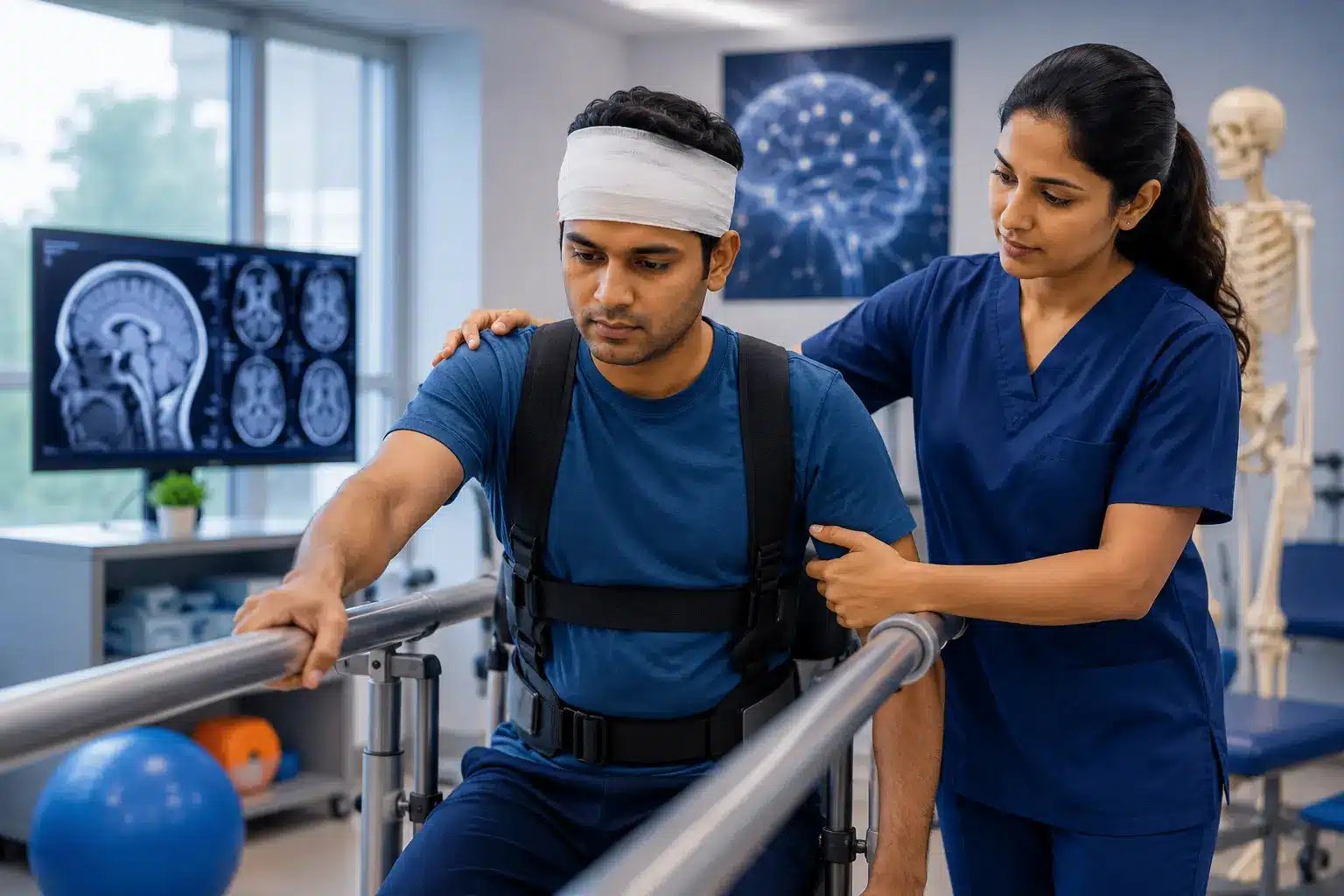
Brain injury rehabilitation is never the same for every patient because the effects can differ in movement, memory, balance, and coordination. The first step is always to understand the patient’s specific needs.
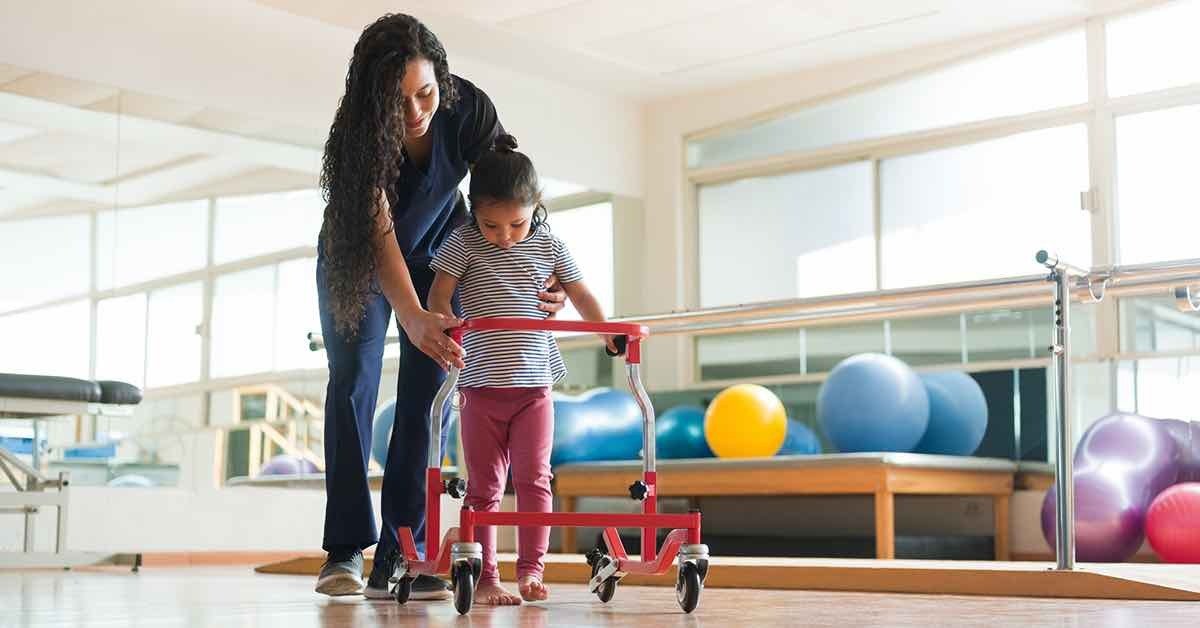
Our team designs a plan that supports physical recovery through guided exercises, balance work, posture correction, and safe movement training suited to the stage of recovery.
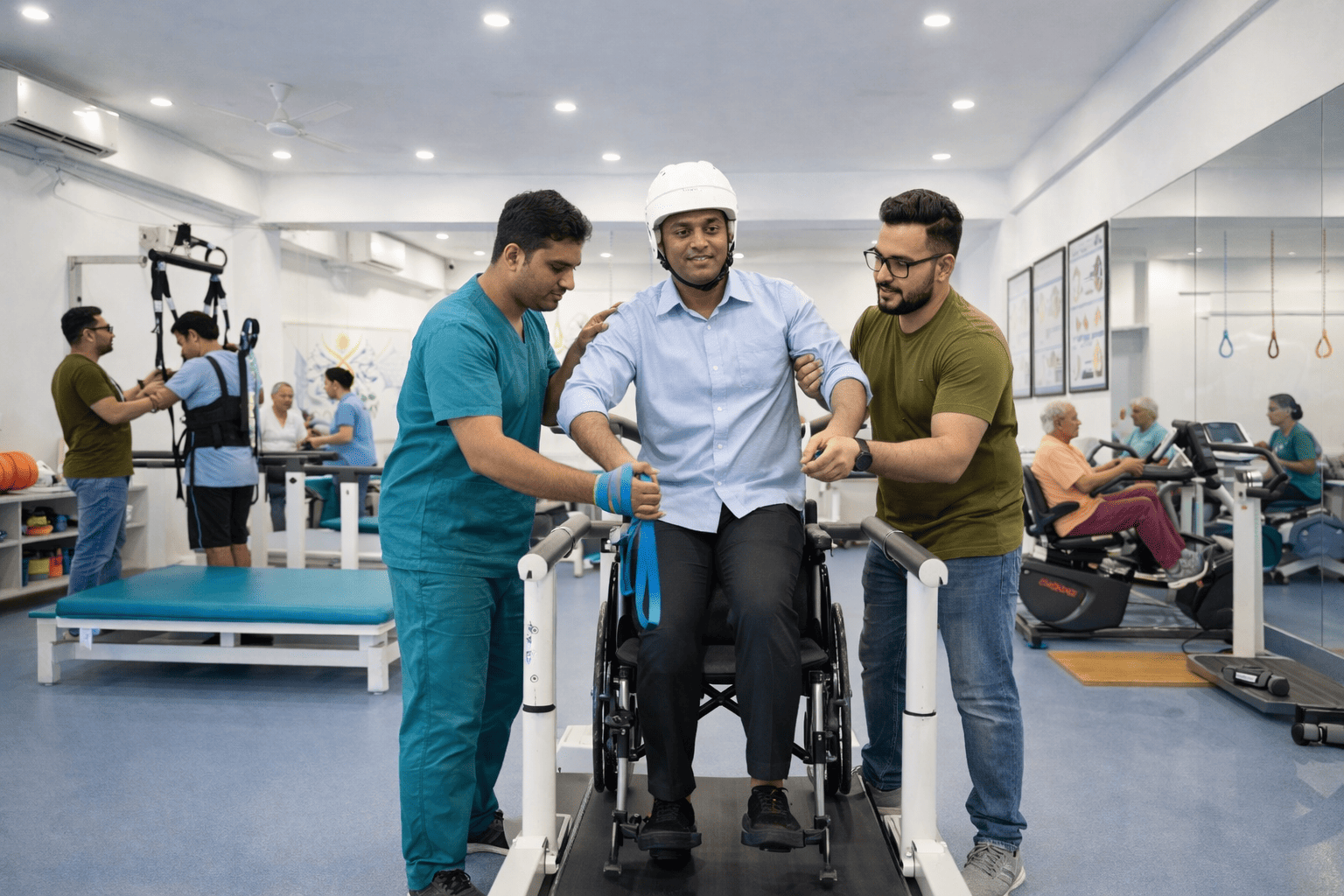
We also guide families on how to support the patient at home, because consistent practice and a calm routine play a major role in recovery after brain injury.
With regular follow-up and a patient-first approach, many people regain better control over movement and day-to-day independence.
Understanding Brain Injury Rehabilitation in Kota: Step-by-Step Functional Recovery
This guide explains brain injury rehabilitation in kota: step-by-step functional recovery in a practical way and connects the topic with movement, comfort, safety, and day-to-day function. Every patient's situation is different, so an assessment is important before choosing exercises or changing activity.
Brain injury rehabilitation supports physical function after trauma or other acquired brain injury by combining movement retraining with balance, coordination, and safe daily-activity practice.
Who May Benefit From an Assessment?
It can be considered for patients with weakness, reduced coordination, balance difficulty, altered movement patterns, or reduced confidence after a brain injury, subject to medical advice.
What the Rehabilitation Approach May Include
- Functional and movement assessment
- Balance, coordination, and postural control work
- Walking, transfer, and task practice
- Family education and regular progress review
Home Practice and Daily Support
Home recommendations are kept clear and manageable so families can support repetition, safety, and routine between supervised sessions.
A brain injury can change everyday life suddenly, but structured rehabilitation helps rebuild skills one step at a time.

Looking for structured support? Explore our Brain Injury Rehabilitation programme in Kota or book an appointment for an assessment.
0 Comments
No approved comments yet. Be the first to share your thoughts.