Stroke Rehabilitation in Kota: A Practical Recovery Roadmap
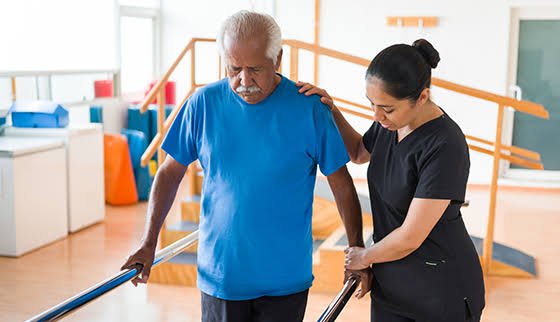
15 Jul
Stroke Rehabilitation in Kota: A Practical Recovery Roadmap
Stroke can affect walking, hand function, speech, and balance, so recovery needs a plan that is practical and measured. Early therapy often helps patients regain confidence faster and reduce long-term stiffness.
At Sukhmani Physiotherapy & Neuro Rehabilitation Hospital, stroke rehab starts with an assessment of movement, muscle tone, balance, and daily activity level. The plan is then built around the patient’s current ability and recovery goals.
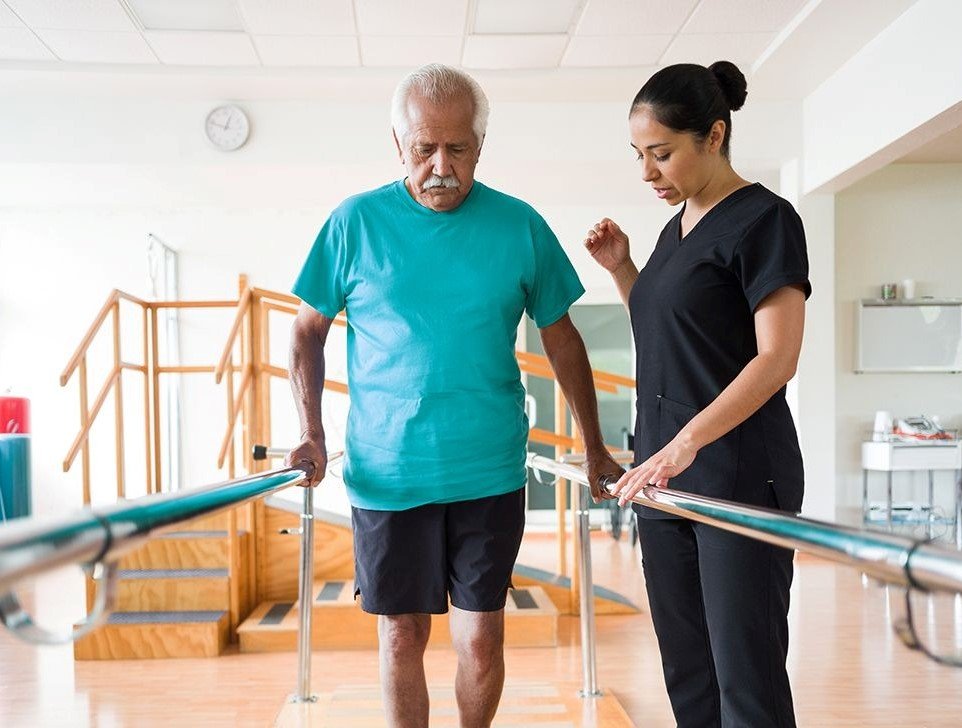
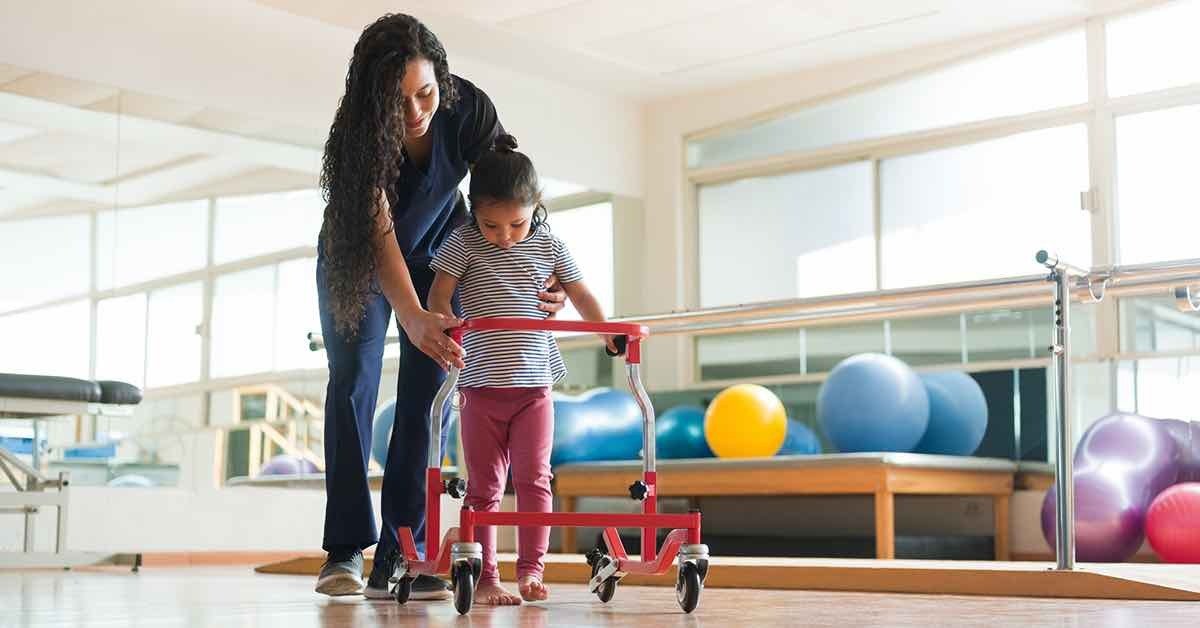
Treatment may include walking practice, balance training, hand exercises, posture correction, and home guidance so the patient can continue progress outside the clinic as well.
When family members stay involved and sessions remain consistent, many patients see stronger movement control and a better return to daily routines over time.
Understanding Stroke Rehabilitation in Kota: A Practical Recovery Roadmap
This guide explains stroke rehabilitation in kota: a practical recovery roadmap in a practical way and connects the topic with movement, comfort, safety, and day-to-day function. Every patient's situation is different, so an assessment is important before choosing exercises or changing activity.
Stroke rehabilitation is planned around the changes that matter most to the patient: walking, balance, hand use, transfers, communication support, and confidence in daily routines.
Who May Benefit From an Assessment?
This service may support people recovering from an ischemic or haemorrhagic stroke after medical clearance, including patients who are dealing with weakness, stiffness, poor balance, or difficulty using one side of the body.
What the Rehabilitation Approach May Include
- Movement and balance assessment
- Task-based walking and transfer practice
- Upper-limb, posture, and coordination exercises
- Family guidance and measurable home practice
Home Practice and Daily Support
Families receive practical guidance for safe positioning, transfers, walking practice, and daily repetition without over-fatiguing the patient.
Stroke recovery becomes more manageable when therapy is structured around movement, balance, and everyday independence.

Looking for structured support? Explore our Stroke Rehabilitation programme in Kota or book an appointment for an assessment.
0 Comments
No approved comments yet. Be the first to share your thoughts.