Cerebral Palsy Rehabilitation
Cerebral Palsy Rehabilitation
Therapy plans designed to support movement, posture, and day-to-day function.
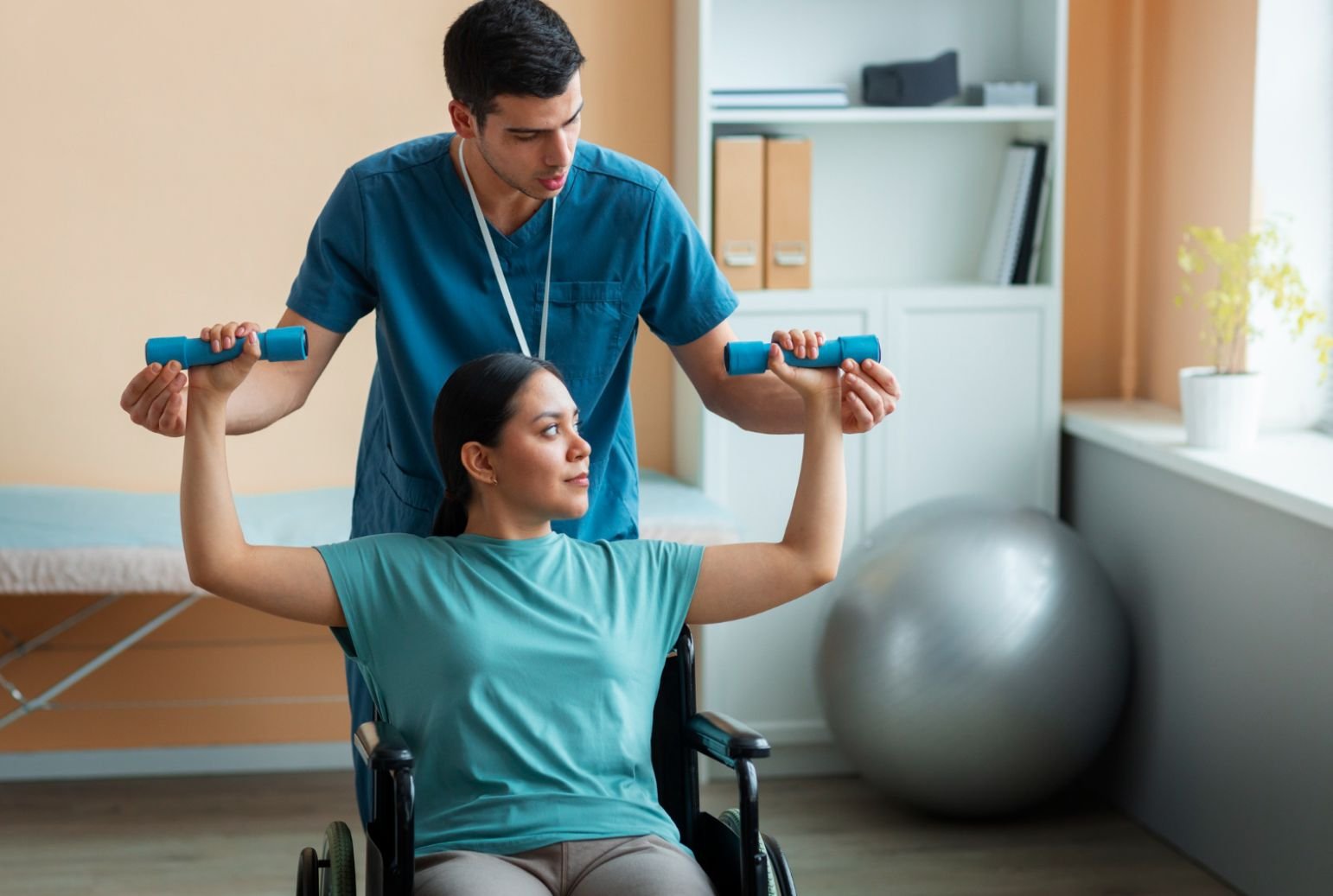
Our Cerebral Palsy Rehabilitation program is built around neurological recovery, movement retraining, and daily-function support.
We assess strength, balance, coordination, and functional movement before creating a personalized therapy plan that matches the patient's current stage of recovery.
Why This Rehabilitation Works
Treatment may include guided exercises, posture correction, mobility training, family education, and progressive follow-up so improvement stays safe and measurable.
How Cerebral Palsy Rehabilitation Supports Recovery
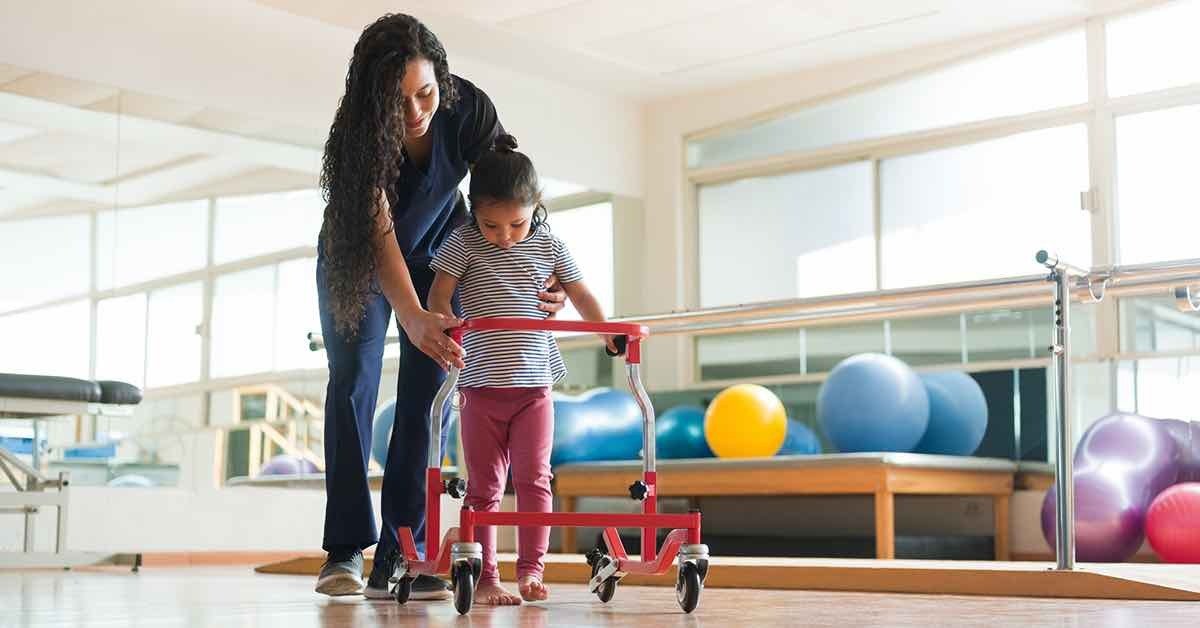
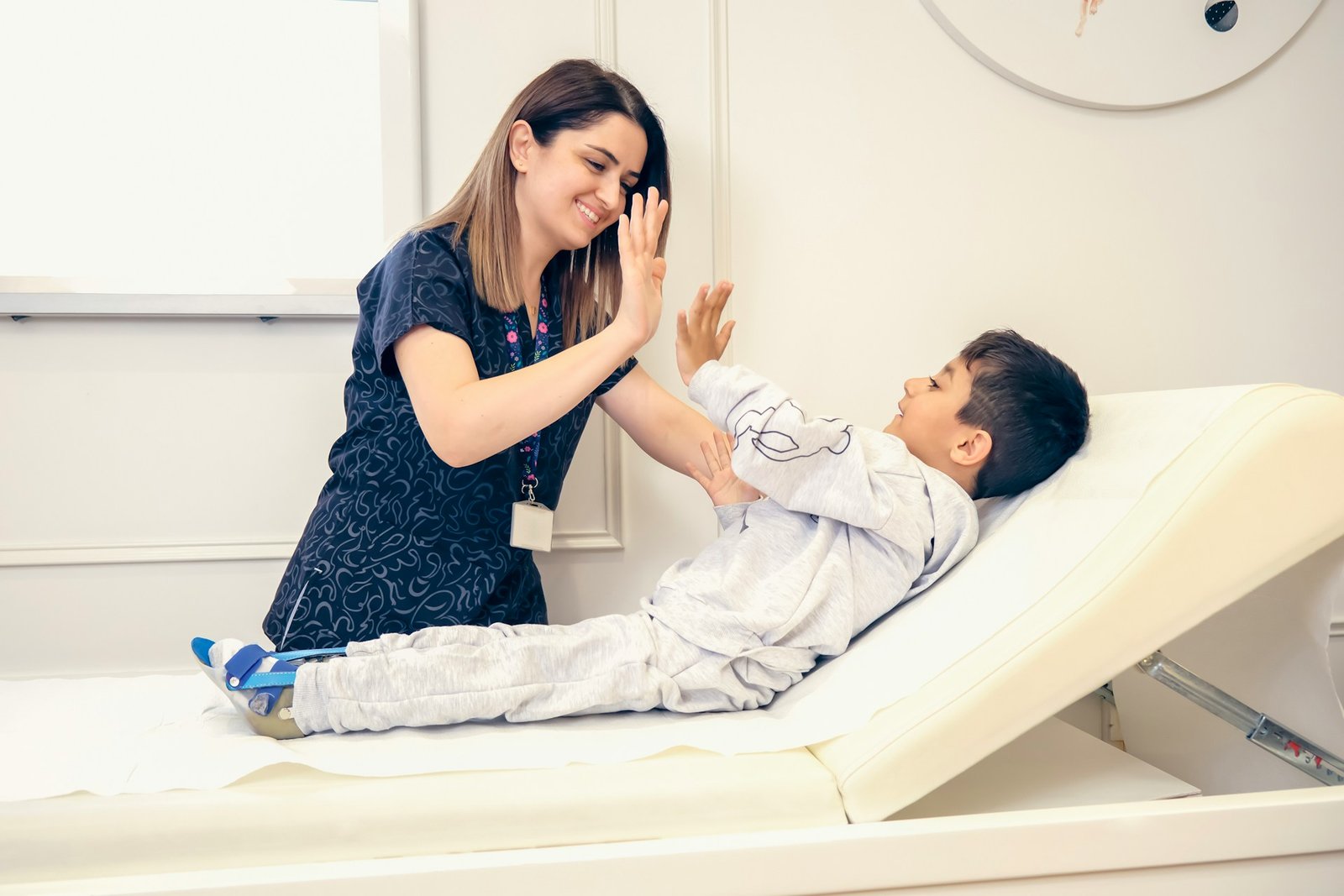
Cerebral palsy rehabilitation supports a child’s movement, posture, balance, strength, coordination, and participation through structured, age-appropriate therapy.
Children may benefit when they have difficulty with milestones, balance, walking, posture, coordination, muscle tone, or functional participation in play and daily activities.
Step 1: Child-friendly movement assessment
Step 2: Play-based balance and coordination activities
Step 3: Posture, mobility, and functional skill practice
Step 4: Parent coaching for safe home routines
Home-care guidance: Parents receive simple activities that fit into play and everyday routines, helping the child practise consistently without making therapy stressful.
-
Detailed neurological assessment
-
Individualized mobility and balance work
-
Functional recovery and home guidance
-
Regular progress tracking and support
-
Care plans adapted to patient progress
-
Support for long-term independence
Frequently Asked Questions About Cerebral Palsy Rehabilitation
Every treatment plan is designed to match the patient's condition, stage of recovery, and long-term goals, so progress feels practical and sustainable.
Is this child-friendly therapy?
Yes, the sessions are gentle, structured, and suitable for children.
Do parents need to practice at home?
Yes, home practice helps improve progress between clinic visits.
Can posture improve?
Yes, posture and movement control are a key part of therapy.
Will goals change with growth?
Yes, plans are updated as the child develops and new milestones appear.
This page is for general education and does not replace an examination or advice from a qualified medical professional. Please seek urgent medical care for sudden or severe symptoms.
Clinic Timings
-
Monday - Saturday
9 AM - 7 PM
-
Sunday
9 AM - 2 PM
-
Appointment Support
Call before visiting