Facial Palsy Treatment in Kota: Restoring Movement and Expression
13 Jul
Facial Palsy Treatment in Kota: Restoring Movement and Expression
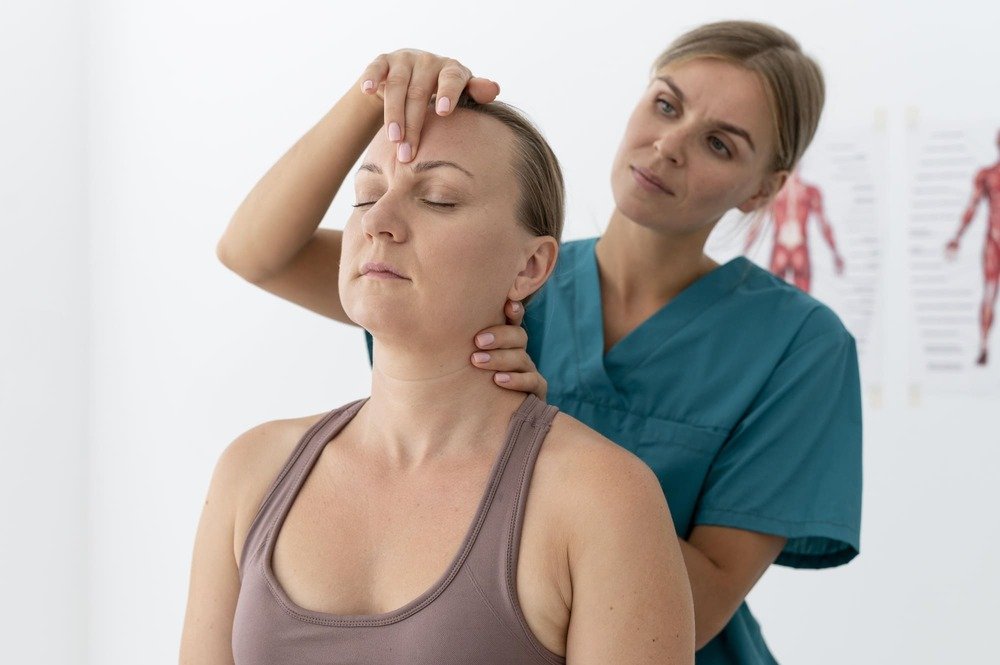
Facial palsy can affect smiling, blinking, speech clarity, and overall expression, so treatment needs to be gentle, precise, and consistent.
Our rehabilitation sessions focus on facial muscle re-education, symmetry exercises, and simple daily practice routines that help patients improve step by step.
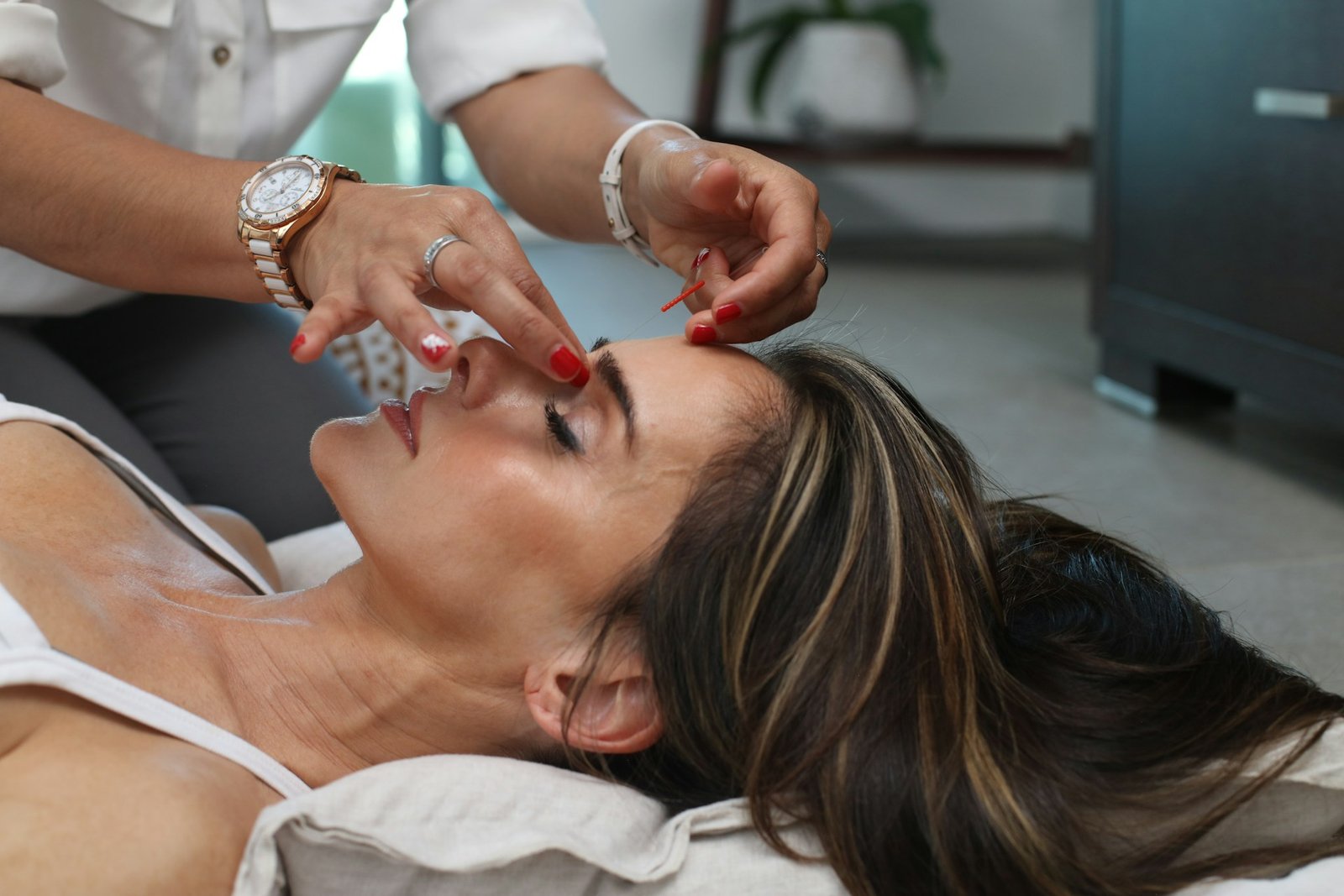
We also explain home care clearly, because small regular exercises often make a big difference in recovery when done correctly.
With patience and regular therapy, many patients notice better facial movement and improved confidence in everyday interactions.
Understanding Facial Palsy Treatment in Kota: Restoring Movement and Expression
This guide explains facial palsy treatment in kota: restoring movement and expression in a practical way and connects the topic with movement, comfort, safety, and day-to-day function. Every patient's situation is different, so an assessment is important before choosing exercises or changing activity.
Facial palsy treatment uses careful facial movement re-education to support symmetry, controlled expression, blinking, and confidence during communication.
Who May Benefit From an Assessment?
Patients with facial weakness or reduced control after facial nerve involvement can be assessed for a gentle rehabilitation plan after appropriate medical evaluation.
What the Rehabilitation Approach May Include
- Facial movement and symmetry assessment
- Gentle controlled activation exercises
- Functional practice for expression and blinking
- Home routine with careful repetition guidance
Home Practice and Daily Support
The home programme focuses on accuracy and gentle repetition rather than forceful exercise, with progress reviewed as control changes.
Facial palsy can affect expression and confidence, but the right therapy supports gradual recovery of muscle control.

Looking for structured support? Explore our Facial Palsy Treatment programme in Kota or book an appointment for an assessment.
0 Comments
No approved comments yet. Be the first to share your thoughts.