Parkinson's Rehabilitation in Kota: Staying Active with Better Control
13 Jul
Parkinson's Rehabilitation in Kota: Staying Active with Better Control
Parkinson’s disease often brings stiffness, slower movement, and balance issues, which can make routine tasks harder over time. Therapy helps patients maintain control and confidence for longer.
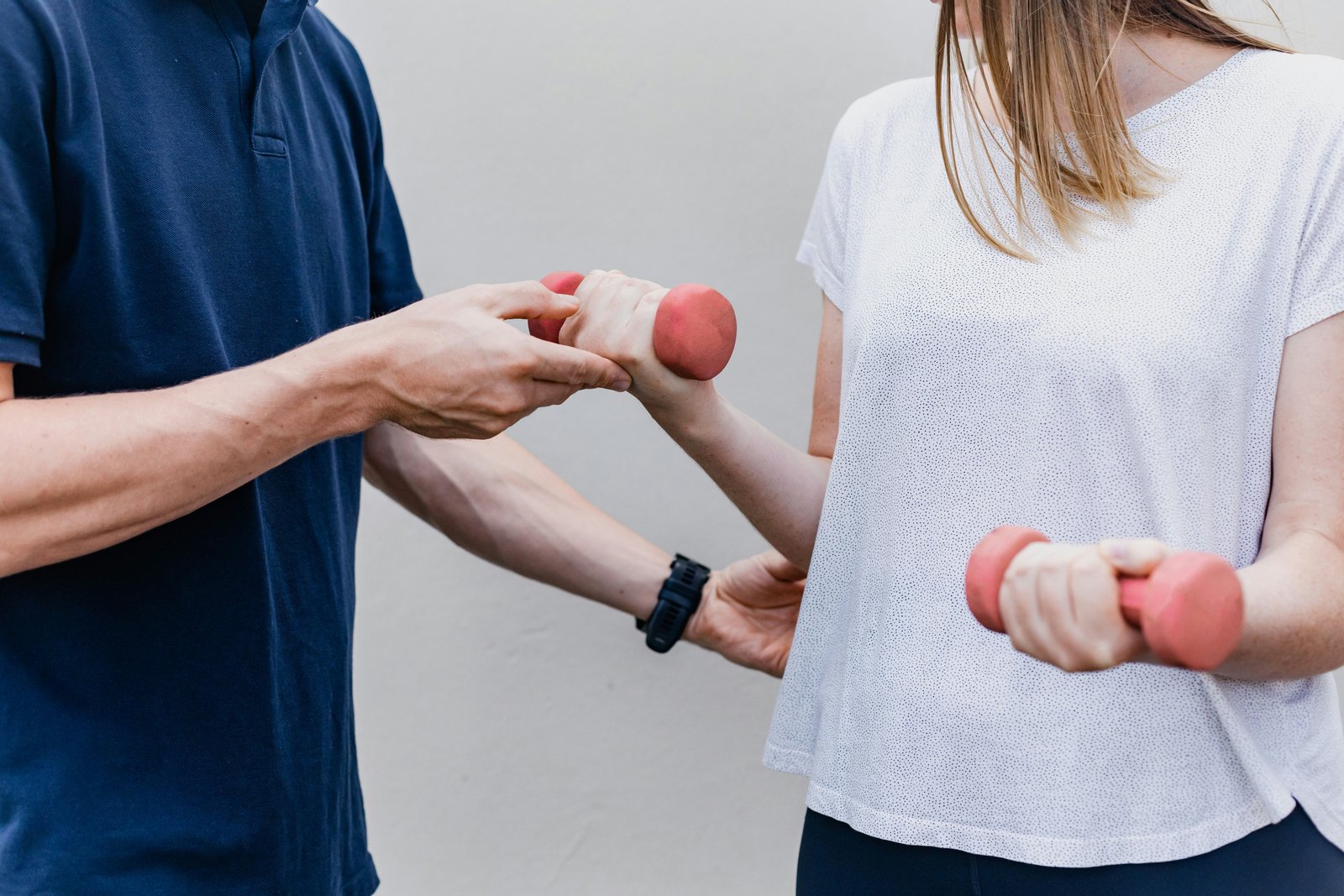
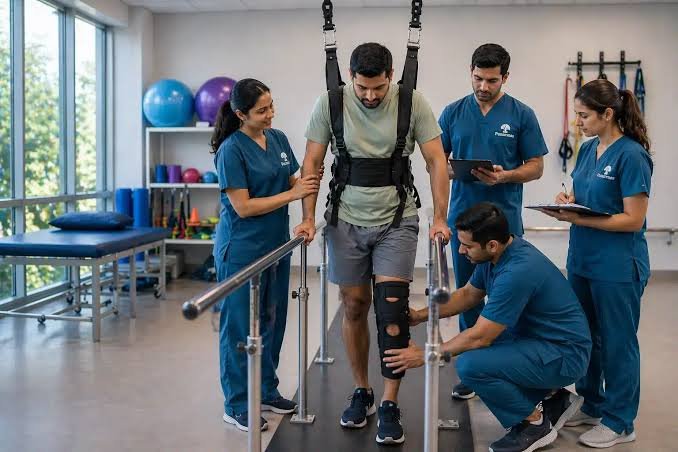
At our center, sessions may include gait training, flexibility work, posture correction, and balance practice that is adjusted to the patient’s current ability.
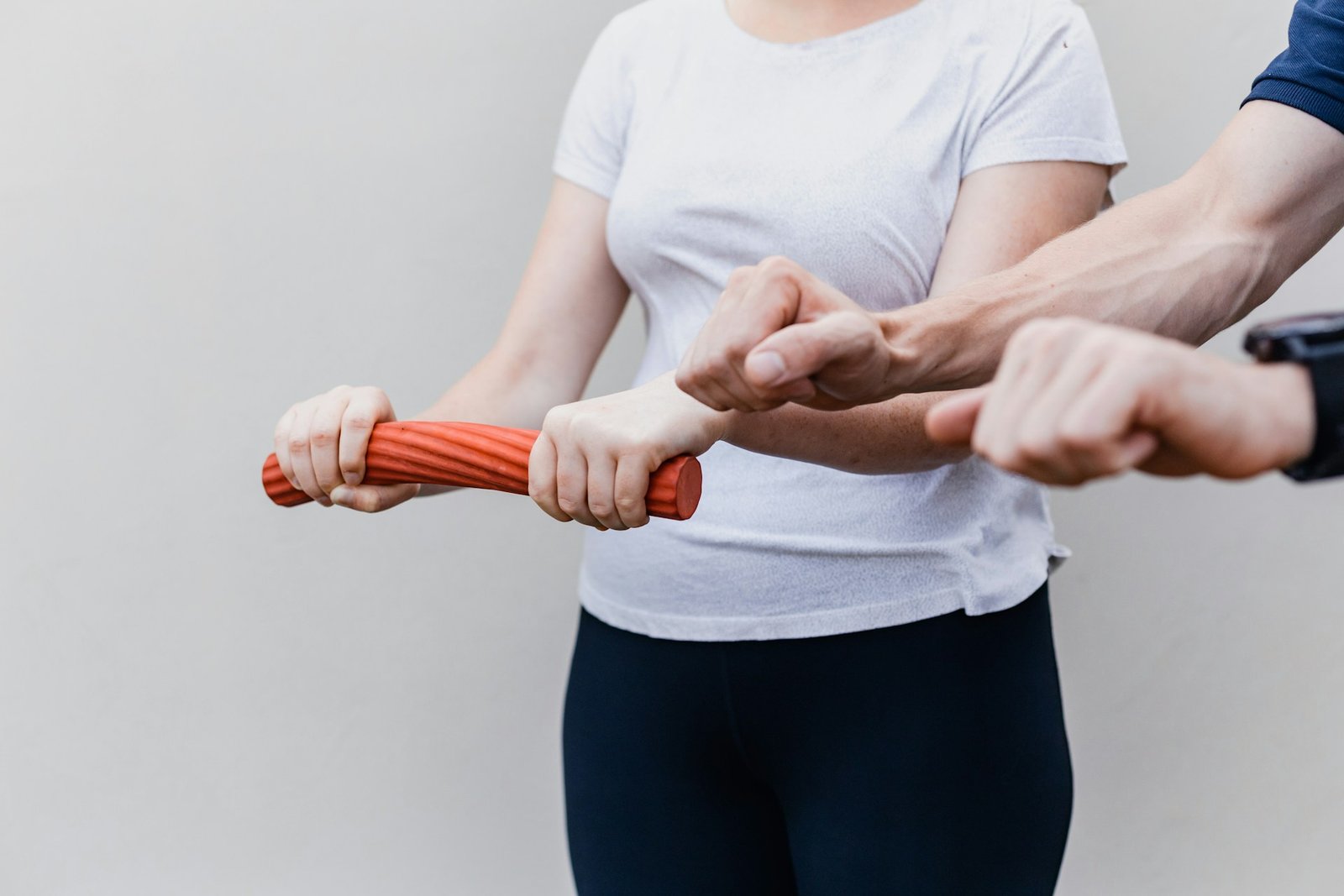
We keep the plan practical so patients can continue movement practice at home and reduce the effect of stiffness in everyday life.
With regular follow-up and a steady routine, many patients are able to move more comfortably and remain more independent.
Understanding Parkinson's Rehabilitation in Kota: Staying Active with Better Control
This guide explains parkinson's rehabilitation in kota: staying active with better control in a practical way and connects the topic with movement, comfort, safety, and day-to-day function. Every patient's situation is different, so an assessment is important before choosing exercises or changing activity.
Parkinson’s rehabilitation aims to help people maintain movement quality, balance, posture, walking confidence, flexibility, and independence as symptoms change over time.
Who May Benefit From an Assessment?
It may help patients experiencing stiffness, smaller steps, slower movement, balance concerns, reduced turning ability, or fear of falling, alongside their medical care.
What the Rehabilitation Approach May Include
- Gait, balance, and turning assessment
- Posture, flexibility, and amplitude exercises
- Functional practice for transfers and daily tasks
- Fall-prevention and home movement guidance
Home Practice and Daily Support
Short, regular practice and a safe daily movement routine are explained so patients can remain active within their individual limits.
Parkinson's symptoms may progress slowly, but consistent physiotherapy can help patients stay active and safer in daily life.

Looking for structured support? Explore our Parkinson's Rehabilitation programme in Kota or book an appointment for an assessment.

0 Comments
No approved comments yet. Be the first to share your thoughts.